
How to Check Criminal Records in McRae-Helena
Begin by deciding whether the target is a police report, city citation, booking, filed court case, or statewide identity history. Those McRae-Helena records do not sit in one database. Police hold the city narrative. Municipal Court handles its qualifying citations. The jail creates booking data, and the Superior Court clerk holds felony cases and dispositions.
- Identify the incident date, location, agency, and report or citation number.
- Ask the city custodian for the existing report, CAD entry, video, or named record.
- Check Municipal Court for citation status, disposition, balance, or failure to appear.
- Use the jail for booking facts and the county clerk for a filed felony case.
- Use GBI or GCIC when the question concerns reported statewide Georgia history.
Request electronic delivery and a cost estimate. A narrow description helps staff locate the existing McRae-Helena criminal record without creating a new compilation.
McRae-Helena Criminal Record Names
McRae and Helena consolidated in 2015. An older record may use either former city in its address, agency label, or scanned index, while current records use McRae-Helena. A search limited to the new name can miss a valid older reference.
For pre-consolidation McRae-Helena criminal records, give the custodian both former place names, the event date, and exact location. Treat those names as place aliases, not proof of two events. The person and incident identifiers still control the match.
The consolidation issue can appear at more than one stage. A police report may carry the former city name used on the event date, while a later court docket identifies only Telfair County and the current party name. Search the old place name with the same date range, then compare the report number, arrest date, charge, and court case number. If an index offers no city field, tell the clerk that the address may appear as McRae, Helena, or McRae-Helena. That focused explanation is more useful than asking for every record tied to all three names.
The McRae-Helena Police Department
McRae-Helena police create records for calls, incidents, and arrests handled by city officers. A useful request states the requester’s contact details, incident number, date, time, place, and involved name. It should identify the desired narrative, arrest report, CAD or 911 entry, body-camera video, or photograph, plus format and cost ceiling.
The official McRae-Helena site is the proper city starting point. Research found no dependable general public police-report portal. Confirm the current custodian, phone channel, fee, and delivery method. Active cases and protected identities may be redacted.
The official city source supplied this local government visual.

Use the city identity to avoid commercial pages that do not maintain original McRae-Helena police records.
McRae-Helena Reports Versus Bookings
One city arrest can create several records with different custodians. Police explain what officers reported. The jail records intake and custody. The clerk records what prosecutors filed and how the case ended. Compare each layer before drawing a conclusion.
| Source | Record | Useful key |
|---|---|---|
| City police | Incident or arrest narrative | Report number and date |
| County jail | Booking, bond, custody | Name and booking date |
| Court clerk | Filed charge and disposition | Case number |
Ask each office only for the layer it maintains. The city cannot certify a Superior Court disposition, and the clerk does not own police body-camera footage. The jail can confirm intake but cannot decide whether a charge was later dismissed. For a McRae-Helena event, build a short identifier list as records are found: incident number, booking number, citation or case number, arresting agency, and named court. Those fields connect the files without treating them as duplicates. They also help distinguish people who share a similar name.
Arrests and Bookings in McRae-Helena
McRae-Helena police may make an arrest, but the city narrative does not become the booking file. A person transported to Telfair County Jail is recorded at intake. Call (229) 868-7000 for fresh custody, booking date, listed charge, bond, and responsible court. No official public county booking log or sheriff app was verified.
A booking charge is an allegation and can change. Follow it to the court named on the paperwork. Telfair State Prison is a separate GDC institution, not the McRae-Helena booking jail.
McRae-Helena Records on East Oak
The county jail and Superior Court clerk are both on East Oak Street, yet they answer different questions. Call the jail for intake and custody. Contact the clerk at 19 East Oak Street, Suite C, or (229) 868-6525 for the filed case, docket, and certified disposition.
Older paper cases and certified copies may require counter help. Physical closeness does not merge the records or their custodians.
McRae-Helena Municipal Court Records
McRae-Helena Municipal Court retains city ordinance matters and qualifying traffic or fine-only cases. It may hold failure-to-appear and city bench-warrant entries. Those records do not always begin at Superior Court, so read the court printed on the citation.
| Court Name | McRae-Helena Municipal Court |
|---|---|
| Case Types Heard | City ordinance, qualifying traffic, and fine-only matters |
| Case Lookup Channel | City-linked citation search or city court counter |
| What the Docket Shows | Court date, status, balance, disposition, FTA, or warrant status |
| Copies & Fees | Confirm the current charge and certification process |
McRae-Helena Citation Record Search
The city-linked citation search and payment gateway can help with municipal matters. Verify the court and citation number. A payment screen is not a full police narrative or county criminal docket.
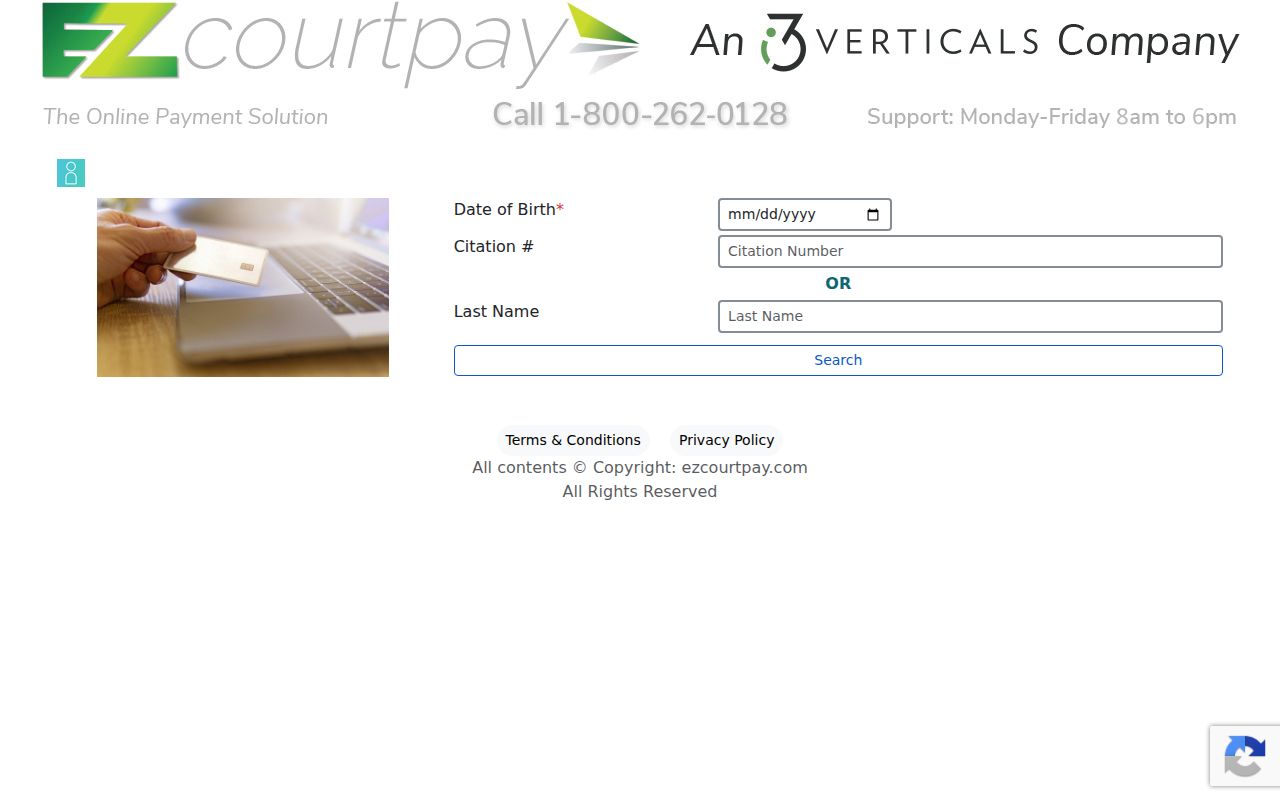
If no result appears, ask the city whether the citation moved courts, carries a former city name, or has not yet been entered.
Where McRae-Helena Records End Up
A recent event starts with city police. Booking belongs to the jail. Prosecutors decide the filed charge, the correct court records its outcome, and that disposition should reach Georgia’s central history system. A delay or missing fingerprint link can leave one layer behind.
Record flow: McRae-Helena Police › Telfair County Jail and Courts › Georgia Bureau of Investigation, Georgia Crime Information Center
Use the city for narrative, the clerk for outcome, and GCIC for reported statewide history. The Telfair criminal court search covers the county clerk route.
McRae-Helena Supervision Record Limits
Probation and parole supervision notes are not ordinary police records. Georgia Department of Community Supervision handles adult felony supervision through state field offices. The sentencing court remains the source for the public judgment and probation order.
The official DCS office locator identifies the current field office serving McRae-Helena.
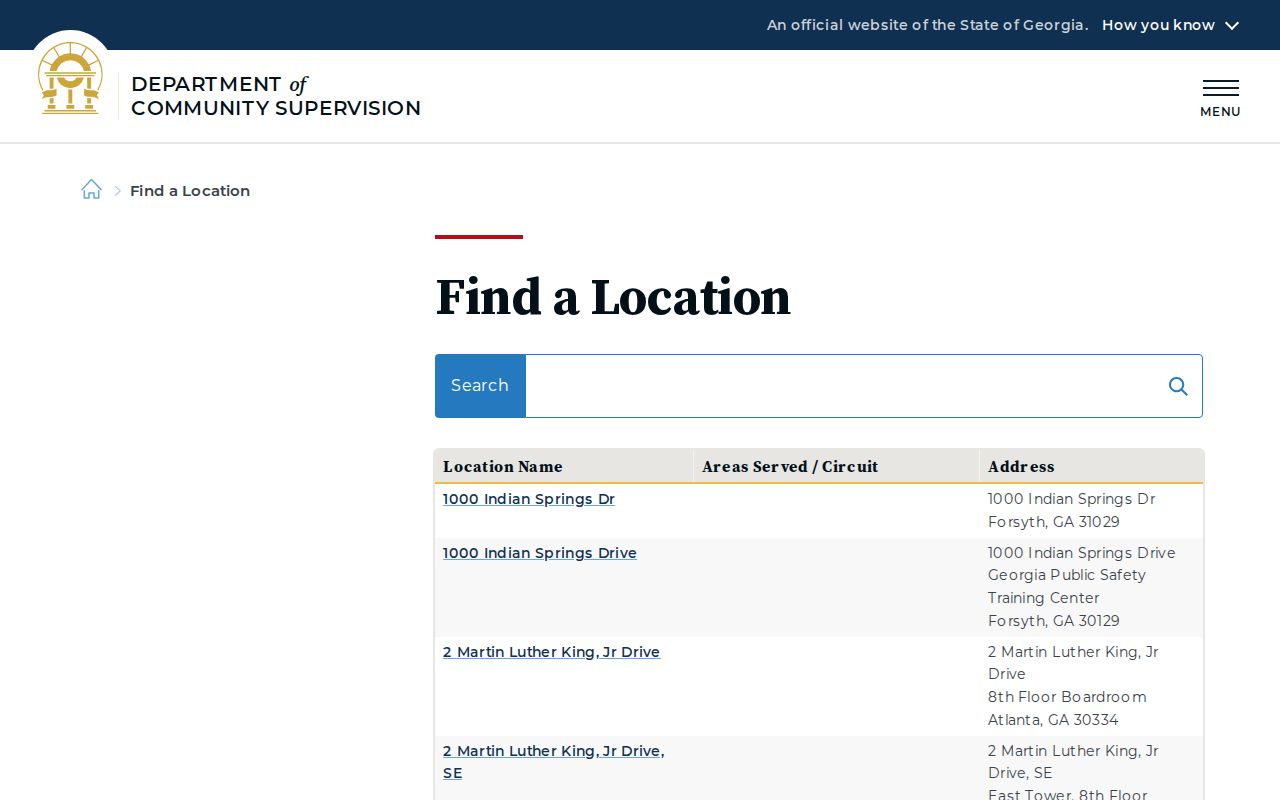
Use the locator for supervision routing, then verify the sentence with the correct court record.
McRae-Helena Criminal Record Counts
Official city crime reporting should use the McRae-Helena Police agency entry in FBI or GBI data and clearly label the year and coverage. Do not add those counts to sheriff totals without checking overlap. The city and county measure different reporting populations.
Counts also do not equal convictions. They reflect reported agency data, while court records show filed charges and outcomes. This distinction is especially important when comparing the consolidated city with older McRae or Helena labels.
Coverage must be stated with any McRae-Helena number. An agency table can omit months, reflect later corrections, or use a reporting label that changed after consolidation. Raw counts should be shown beside any calculated rate because a reader can then see the number of reported events behind the percentage. Sheriff data should remain separate unless the source explicitly establishes that it does not overlap city police reporting. A court caseload is another measure entirely. It can include events from elsewhere in Telfair County and should not be presented as a McRae-Helena police total.
McRae-Helena CAD and Camera Records
A request for a police report does not automatically include dispatch audio, CAD data, body-camera video, or scene photographs. McRae-Helena requesters should name each medium that matters and give the incident number, date, time, place, and involved officer or party if known. Video review and redaction can produce a different estimate from a short paper narrative.
Ask whether the city still holds the file and whether an active-investigation exemption affects release. If only the written narrative is available, that is not proof that no call or recording existed. It may reflect retention, technology, or a lawful withholding decision. Request a written response that identifies the basis for any withheld McRae-Helena record.
Media requests also benefit from a narrow time window. For a dispatch call, list the address and approximate start and end times. For body-camera footage, identify the responding officer if known and request the segment tied to the incident rather than an entire shift. Ask for native electronic delivery when practical and set an estimate threshold that requires approval before added work. The city may redact faces, protected speech, medical details, or juvenile information. A redacted release can still confirm when officers arrived, which agency acted, and how the McRae-Helena event moved into the next record stage.
McRae-Helena Bench Warrant Check
A failure to appear on a city citation can lead to a municipal bench warrant. Because research found no complete public city warrant database, contact the issuing court with the citation number and exact name. Do not assume a county case search will display every McRae-Helena municipal entry.
If a possible warrant concerns the requester, confirm instructions directly with the court or law-enforcement office before appearing. A warrant can be sensitive, recalled, served, or tied to a different person with a similar name. The issuing court is the best source for current status, while police records can document an arrest made on the warrant.
Keep the city and county warrant paths distinct. Magistrate Court can issue warrants and conduct first appearances, while Municipal Court controls its own citation-based entries. Superior Court becomes the felony trial court after filing. Asking only whether “Telfair has a warrant” can miss the court that issued it. Give the clerk a citation or case number whenever possible, and ask whether the status is current as of the time of the call.
Reading McRae-Helena Criminal Records
McRae-Helena files use fields that describe separate stages. An arrest charge states the officer’s basis at intake. An accusation or indictment is the prosecutor’s filed charge. A disposition records what happened to that charge. A sentence follows a conviction or other qualifying judgment. These labels should never be collapsed into one result.
- Disposition
- The recorded outcome, such as dismissal, plea, verdict, or other closure.
- Nolle prosequi
- A prosecutor’s formal decision not to continue a charge at that time.
- Bench warrant
- A judge-issued warrant, often tied to failure to appear or comply.
- Record restriction
- Georgia’s process limiting eligible GCIC information from general public access.
A restricted GCIC entry and a sealed court file are also distinct. When McRae-Helena criminal records conflict, obtain the certified court disposition and use GBI’s correction channel for a statewide-history mismatch.
Identity fields matter as well. Current name, former names, aliases, birth date, sex, race, physical description, and a state identification number may appear in a Georgia history. A local court file instead centers on the case number, parties, judge, charges, docket events, plea, judgment, and sentence. Compare like with like. A city report will not contain every GCIC field, and a rap sheet is not a copy of every McRae-Helena pleading.
Public Access Rules for McRae-Helena Records
The Georgia Open Records Act applies to existing nonexempt McRae-Helena records. An agency generally responds within three business days, but production may take longer. Active-investigation details, juvenile material, medical data, victim identifiers, and sealed records may be withheld or redacted.
Key Statutes:
Georgia Open Records Act, O.C.G.A. §§ 50-18-70 through 50-18-77 presumes city records open unless an exemption applies.
O.C.G.A. §§ 35-3-34 and 35-3-35 govern GCIC dissemination and felony-conviction access.
O.C.G.A. § 35-3-37 governs eligible restriction and court sealing.